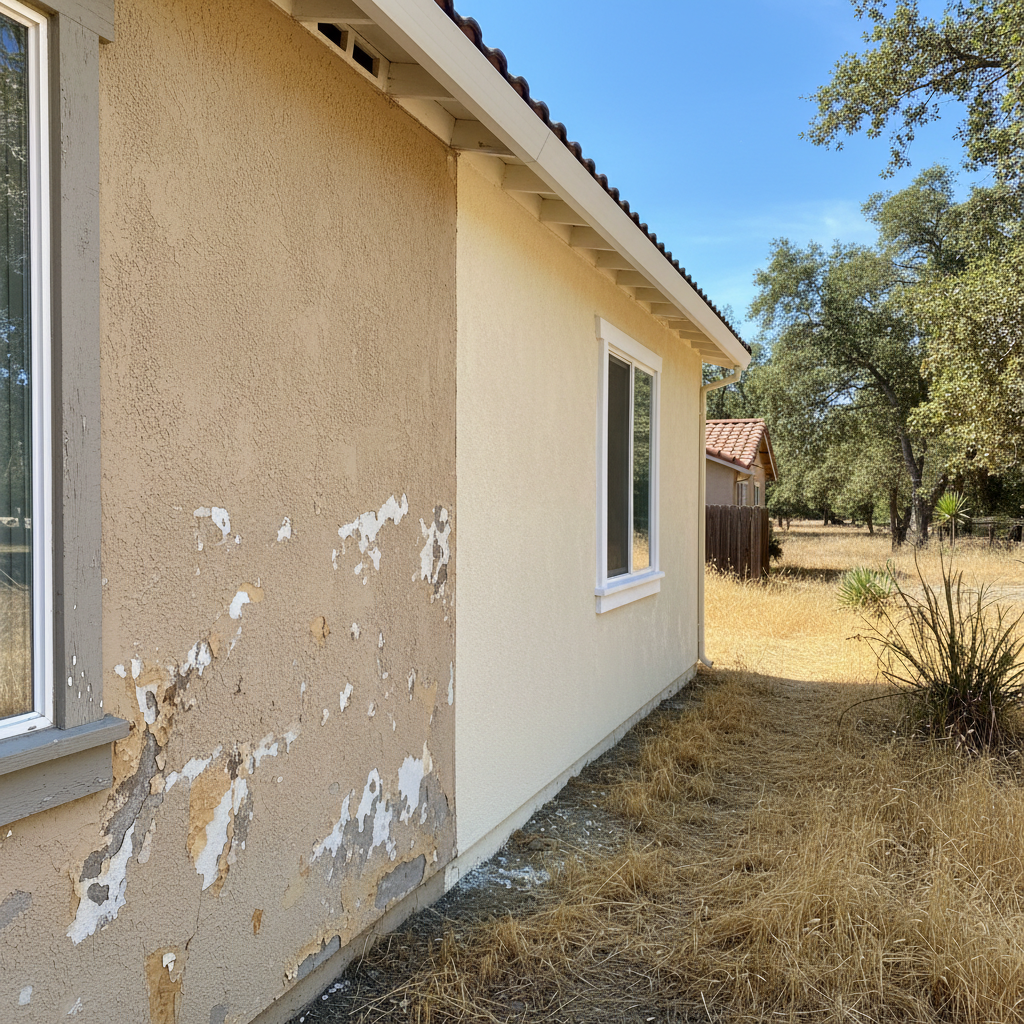
Alright, let's talk about painting your house's exterior here in Auburn. It's a big job, a significant investment, and you want to make sure you're getting it right. A common question I get is, "What's the best paint for my house?" And often, that boils down to a choice between a traditional acrylic latex paint and an elastomeric coating. They're both paint, sure, but they're built for different things.
Traditional Acrylic Latex Paint: The Standard Choice
This is what most folks think of when they think "house paint." It's a solid, reliable choice for many homes, especially if your siding is in good shape and you're not dealing with a lot of movement or cracking. Acrylic latex paints are breathable, meaning they allow some moisture vapor to escape from inside the walls, which is good for preventing blistering and peeling. They come in a huge range of colors and sheens, so you've got plenty of options to get the look you want.
Cost & Application
Generally, traditional acrylic latex paints are less expensive per gallon than elastomeric coatings. The application process is pretty straightforward for experienced painters – clean, prep, prime (if needed), then two coats. This can translate to lower labor costs too, as it doesn't require specialized techniques or equipment beyond what a good painter already uses.
Durability & Maintenance
A quality acrylic paint, properly applied, will last you a good 7-10 years, sometimes more, depending on the exposure. Here in Auburn, with our hot summers and occasional freezing winters, a good quality paint holds up well. Maintenance usually involves routine cleaning to keep it looking fresh. If you get a small crack in your stucco or siding, though, the paint isn't going to bridge it. You'll see that crack right through the paint, and it could let water in.
Elastomeric Coatings: The Flexible Defender
Now, elastomeric coatings are a different beast entirely. Think of them as a super-thick, super-flexible paint. Their primary superpower is their elasticity – they can stretch and bridge hairline cracks in stucco, concrete, and masonry without cracking themselves. This is a huge advantage for homes, especially older ones, or those built on expansive soils like we sometimes see in the Auburn area, where minor foundation shifts can lead to small wall cracks.
Cost & Application
You're going to pay more for elastomeric coatings, both for the material itself and often for the labor. It's a thicker product, so it takes more material to cover the same area, and it can be more challenging to apply correctly. It often requires specialized spray equipment or very careful brush/roll techniques to get an even, thick film. Prep work is even more critical here; you need a really clean, sound surface for it to adhere properly.
Durability & Maintenance
This is where elastomeric coatings really shine. They're incredibly durable and can last 15-20 years or even longer. Their thick, flexible nature provides excellent waterproofing and protection against the elements. They resist cracking, peeling, and chipping far better than traditional paints, which means less maintenance over the long haul. Cleaning is similar to traditional paint, but you'll find the surface holds up better to pressure washing without damage.
Which One Should You Choose?
So, what's the right call for your Auburn home?
- If your home is relatively new, has well-maintained siding (wood, fiber cement, etc.), and no existing cracking issues: A high-quality traditional acrylic latex paint is probably your best bet. You'll get a great look, good protection, and save some money upfront. It's a proven solution that works for many homes.
- If you have an older stucco home, existing hairline cracks, or live in an area prone to movement: An elastomeric coating is a strong contender. The extra cost upfront can save you a lot of headaches and repair bills down the road by preventing water intrusion and bridging those small cracks. It's an investment in long-term protection.
- If you're looking for the absolute longest-lasting finish: Elastomeric coatings typically win here on sheer durability and weather resistance.
Ultimately, it comes down to your home's specific needs, your budget, and how long you want the paint job to last. There's no single "best" answer for everyone. What I always recommend is getting a professional assessment. We can look at your siding, check for existing issues, and discuss the pros and cons specific to your property.
At Mighty Paint Co, we work with both types of products regularly and can help you weigh your options. Don't just pick a paint based on color; think about what your house needs to stand up to the Auburn elements for years to come.