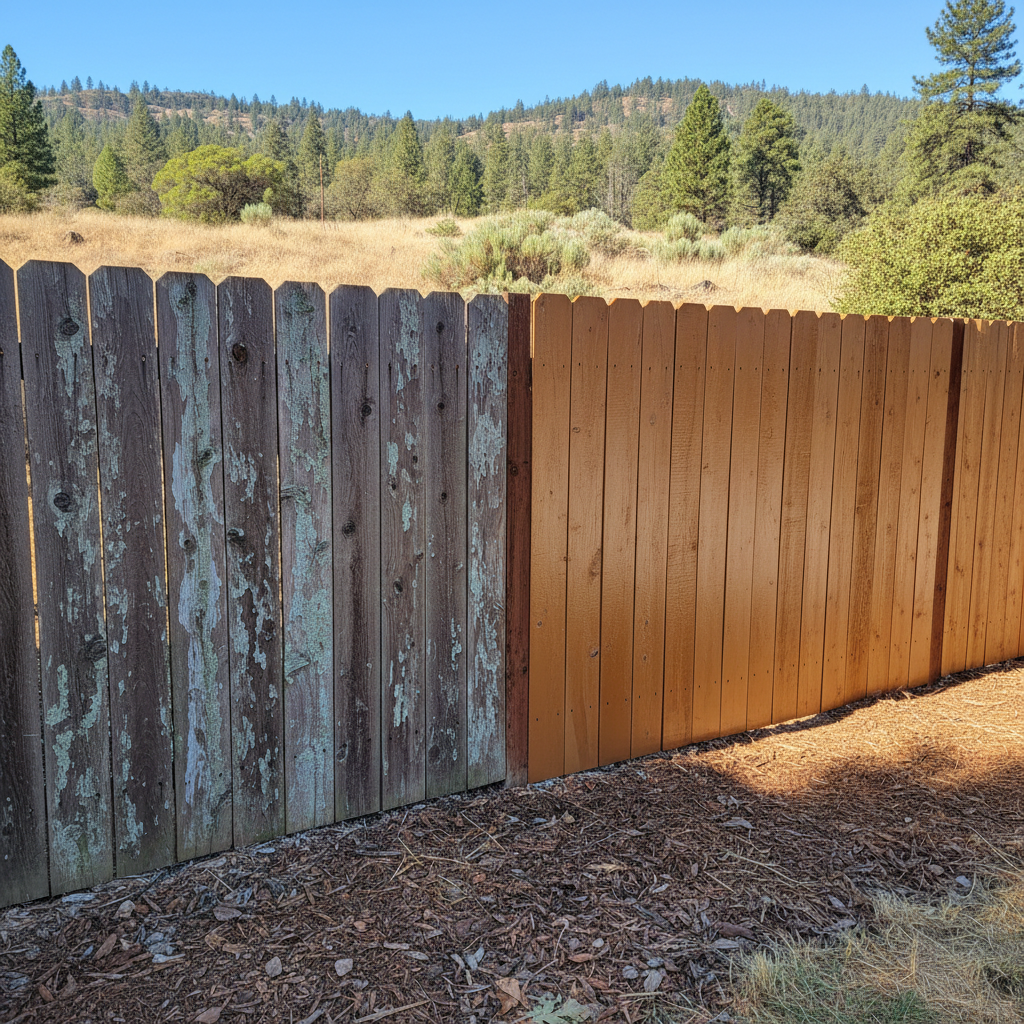
Alright, let's talk fences. You've got one, it's looking a little tired, and you're thinking about giving it a fresh coat of paint. Good call. A well-maintained fence not only looks better, but it protects your investment from our crazy Auburn weather – those hot summers and wet winters can really do a number on wood. Now, when it comes to actually getting that paint on, you've mainly got two ways to go: spraying it on, or doing it the traditional brush and roll way. Which one's better? Well, it depends on a few things.
The Spraying Approach: Fast, But With Caveats
Spraying a fence sounds like the quick and easy answer, right? And in some ways, it is. You can cover a lot of ground, fast. If you've got a long stretch of fence, especially one that's got a lot of pickets or intricate details, a sprayer can definitely save you time on the application itself.
Cost & Time:
- Initial Cost: If you're doing it yourself, you'll need to rent or buy a good quality sprayer, which isn't cheap. If you hire someone, their labor might be less because it's faster, but they'll factor in equipment costs and setup.
- Time Savings: On the actual painting, it's significantly faster. No doubt about it.
- Material Usage: Sprayers can sometimes use more paint due to overspray, especially if you're not experienced.
Durability & Appearance:
- Coverage: A sprayer can get into all those nooks and crannies, giving a very even, smooth finish if done right. No brush marks, which is nice.
- Adhesion: This is where it gets tricky. Sprayed paint often goes on thinner than brushed paint. For proper adhesion and durability, you usually need multiple thin coats, which means more drying time between coats and more material. If you just blast one thick coat on, it's more likely to peel later.
Maintenance & Prep:
Here's the big one for spraying: prep work. You absolutely cannot skip it. Any plants, bushes, or even your neighbor's car within a good 10-20 feet of that fence need to be covered. We're talking tarps, drop cloths, plastic sheeting – everything. Overspray is a real problem, especially with a breeze, and trust me, you don't want to explain why your neighbor's prize-winning roses are now painted fence-color. This masking and prep can take way longer than the actual spraying, and if you're in an older Auburn neighborhood with tight lots, it can be a nightmare.
Brush & Roll: The Tried-and-True Method
Now, let's talk about getting down and dirty with a brush and roller. This is how I've done countless fences around here, and for good reason.
Cost & Time:
- Initial Cost: Brushes, rollers, and paint trays are pretty inexpensive.
- Time Savings: It's slower on the application side, no denying that. You're physically working the paint into the wood.
- Material Usage: You typically use less paint because there's no overspray.
Durability & Appearance:
- Coverage: When you brush and roll, you're really pushing that paint into the wood grain. This creates a thicker, more robust film that adheres better and lasts longer. It's especially important for fences, which take a beating from the sun and rain. You'll get excellent penetration and a solid, protective coat.
- Appearance: You might see some brush marks, but on a fence, that's usually not a big deal. Most people prefer the slightly more textured, hand-painted look for an outdoor structure like a fence.
Maintenance & Prep:
Prep is still important – cleaning the fence, scraping loose paint, sanding rough spots – but you don't have the massive masking headache of spraying. You still want to protect nearby plants, but you can be much more precise with a brush. This saves a ton of time and stress, especially if you're working in a tight space or near other structures.
My Recommendation for Auburn Fences
Look, I've seen a lot of fences come and go in this town. Given our climate – those intense summer sun rays and the occasional heavy rain – you need a paint job that's going to hold up. For most homeowners in Auburn, especially if you're dealing with a standard wood fence, I'm going to lean heavily towards the brush and roll method.
Why? Because durability is king for a fence. You want that paint to really bond with the wood and provide maximum protection. Brushing and rolling achieves that better than spraying, giving you a thicker, more resilient coat that stands up to the elements. The extra time you spend applying the paint will be more than made up for by the reduced prep time (no massive masking job) and the longer life of the paint job itself. You'll get fewer call-backs for peeling paint down the line, and that's good for everyone.
Now, if you've got a very specific type of fence, like a super intricate wrought iron design, spraying might be the only practical way to get full coverage. But for your typical wooden privacy or picket fence, especially the kind we see in older neighborhoods with mature landscaping, brush and roll is the way to go. It's a more controlled, more effective application that gives you a better, longer-lasting result. If you're not up for the task, give Mighty Paint Co a call. We're happy to talk through your options and get that fence looking sharp.