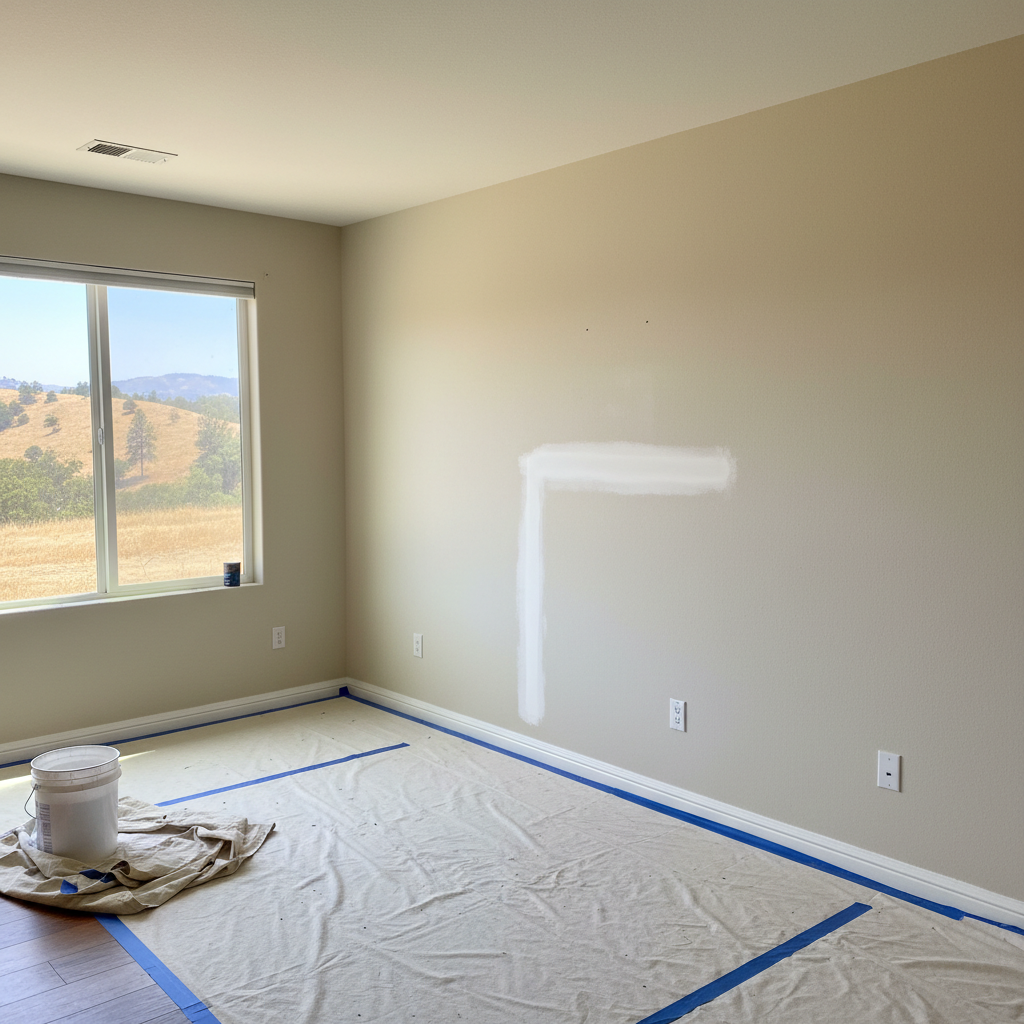
So, you finally pulled the trigger and got that dated wallpaper stripped off your walls. Maybe you tackled it yourself, or perhaps a pro like Mighty Paint Co handled the job. Either way, you're probably looking at some freshly prepped walls, possibly even a new coat of paint. But here's the thing: just because the wallpaper's gone doesn't mean you're done. You've got to keep those walls up to snuff to make sure they stay looking good and you don't run into problems later on.
Making Your Wallpaper-Free Walls Last
The biggest factor in how long your walls will look great after wallpaper removal is the prep work, no doubt about it. But once that's done, it's all about what you do next. If you've painted, the quality of the paint really matters. Don't cheap out on the paint. A good quality primer and paint will stand up better to cleaning and the usual wear and tear. For walls that used to have wallpaper, especially older stuff, a solid primer is a must-have. It seals in any leftover paste and gives your new paint something strong to grab onto.
Don't forget about the humidity in your house, either. Here in Auburn, we get those hot, dry summers, but then the rainy season can bring a whole different kind of moisture. Keeping your indoor humidity steady, especially in bathrooms or kitchens, helps head off issues. Too much moisture can reactivate old paste residues or even make new paint blister if the surface wasn't sealed right. A good exhaust fan in the bathroom? That's your best friend.
Regular Upkeep: Keep Those Walls Clean
This isn't exactly rocket science, but people often forget about it. Your walls, even without wallpaper, still get dirty. Dust, cobwebs, fingerprints – they all pile up. Regular, gentle cleaning is the secret.
- Dusting: Grab a soft, dry cloth or a duster with an extendable handle and gently wipe down walls every few months. This stops buildup that's a pain to remove later.
- Spot Cleaning: For smudges or marks, use a mild, non-abrasive cleaner mixed with water. Always test it first in a hidden spot, like behind a door or a piece of furniture. Gently wipe with a soft sponge or cloth, then lightly blot dry. Don't scrub too hard, especially if you have a matte finish paint, because you can actually make the surface shiny.
- Avoid Harsh Chemicals: Bleach, abrasive cleaners, or anything with strong solvents can mess up your paint finish and even damage the primer underneath. Stick to gentle, pH-neutral stuff.
If you live in areas like the Auburn Folsom Road corridor, where you might get a bit more dust from traffic or construction, you might need to dust a little more often. It's just part of living in a growing community, isn't it?
Signs of Trouble to Watch For
You've put in the work to get rid of that old wallpaper and make your walls look good. Now you need to know what to keep an eye out for. Catching problems early can save you a lot of headache and money down the line.
- Peeling or Bubbling Paint: This is a big one. If your new paint starts to peel or bubble, it often points to a moisture issue or that the surface wasn't prepped correctly. It could be a leak behind the wall, high humidity, or leftover wallpaper paste reacting with the new paint.
- Discoloration or Stains: Yellowish or brownish stains bleeding through your paint can mean residual wallpaper paste wasn't sealed properly, or it's water damage from a leak. Sometimes, old nicotine stains can bleed through too if they weren't primed right.
- Cracks: Small hairline cracks are pretty normal with a house settling, especially with our shifting soils around here. But if you see larger, expanding cracks, or cracks that follow a pattern, that could signal a structural issue or that the wall surface wasn't prepped right.
- Mold or Mildew: Any fuzzy, dark spots are a red flag. This always means too much moisture. Don't just paint over it; you need to deal with the source of the moisture first.
When to Call a Professional
Look, I'm all for doing things yourself when it makes sense, but there are times you just need to bring in the experts. If you spot any of those warning signs, especially peeling, bubbling, or mold, it's usually best to get a pro out there. Trying to fix these issues yourself without really understanding the root cause can actually make things worse.
If you're seeing widespread peeling or bubbling, that's not just a quick patch job. It means the paint isn't sticking to the wall, and that usually means scraping, re-priming, and repainting. If you suspect a leak, a plumber needs to get involved before anyone even thinks about painting. For mold, you have to make sure it's properly cleaned up and the moisture source is gone before you even consider putting a brush to the wall.
Sometimes, after wallpaper removal, you might find the drywall underneath is in rougher shape than you thought – maybe some tears or soft spots. While minor repairs are totally doable for a homeowner, extensive drywall damage or trying to match textures can be pretty tricky. That's another time to call in someone who does this day in and day out. We've seen it all, and we can get your walls looking smooth and ready for a fresh finish without you having to stress over it.